Unlocking Creativity: A Deep Dive into Dragonfly Clipart
There is a specific kind of visual magic that happens when nature meets digital design. We often spend hours scouring the internet for assets that feel organic yet polished, assets that bridge the gap between the raw beauty of the outdoors and the sharp precision required for modern publishing. This is precisely where the utility of high-quality Dragonfly Clipart comes into play. It is not merely about having a picture of an insect; it is about possessing a versatile design tool that can elevate a project from mundane to memorable.
The Visual Character and Appeal of Dragonfly Clipart
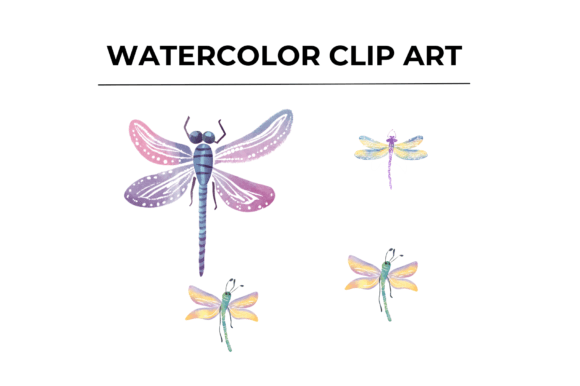
When we talk about dragonflies in a design context, we are discussing a creature that symbolizes change, adaptability, and the subconscious mind. Visually, they offer a complex geometry that is inherently pleasing to the eye. The specific collection we are looking at—comprising 40 distinct illustrations—captures this complexity with remarkable clarity. These are not vague silhouettes; they are detailed representations that showcase the delicate veining of wings, the iridescence of the body, and the dynamic posture of flight.
The personality of this particular set is one of elegance and movement. Whether you are working with a premium font for a luxury brand or a handwritten font for a cozy artisan label, these cliparts provide a counterpoint that anchors the design. They possess a "transparent" quality—both literally in terms of PNG format and figuratively in terms of style. They do not scream for attention but rather invite the viewer to look closer. This subtlety makes them invaluable for professionals who need design assets that support the typography rather than overwhelming it.
Strategic Applications for Modern Creators
For the entrepreneur or the brand identity specialist, the question is always: "Where does this fit?" The answer is surprisingly broad. The versatility of these illustrations allows them to function across a wide spectrum of mediums, adapting to the specific constraints and opportunities of each.
Consider the realm of editorial design. If you are a publisher working on a magazine spread about mindfulness, travel, or biology, a high-resolution dragonfly illustration can serve as a perfect spot image or a subtle background texture. Because these files are sized at 2000x2000, they hold up beautifully in print, ensuring that the ink sits cleanly on the paper without pixelation. This is critical for maintaining the professional standard expected in physical media.
Moving into the digital space, the applications for web design and social media graphics are equally compelling. In a crowded feed, a user stops scrolling for two reasons: bold text or striking imagery. A dragonfly illustration paired with a clean sans serif font can create a visual hierarchy that guides the eye exactly where you want it. It adds a layer of sophistication to Instagram posts, Pinterest pins, or Facebook headers that stock photography often fails to deliver.
For those involved in packaging design, particularly in the wellness, tea, or eco-friendly sectors, these assets are gold. Imagine a tea label where the dragonfly rests near the product name, perhaps integrated with a script font. It instantly communicates purity and nature without needing a single word of copy. This is the power of good visual storytelling; it bypasses the logical brain and appeals directly to the emotional response of the consumer.
Integrating Assets with Typography and Layout
One of the most common challenges in design is balancing imagery with text. A creative font needs room to breathe, and a detailed illustration needs context. The key to successfully using Dragonfly Clipart is understanding visual weight.
If you are using a heavy, bold display font for a headline, you might want to use the clipart as a small accent or "dingbat" rather than a massive centerpiece. Conversely, if your layout relies on a delicate serif font or a light modern typography style, you can afford to make the dragonfly illustration larger, allowing it to act as the visual anchor for the page.
Here is a practical workflow for integrating these assets:
- Establish Your Hierarchy: Decide if the text or the image is the hero. Usually, for branding, the text wins. Use the dragonfly to frame the text, perhaps tucking it behind a letter or placing it at the end of a sentence.
- Color Coordination: While the clipart may come in a specific color palette, the PNG format allows for relatively easy color adjustments in software like Photoshop or Illustrator. Ensure the colors of the dragonfly match the mood of your font pairing. A neon dragonfly works for a festival poster; a muted, earth-toned dragonfly works for a yoga studio.
- Consistency is Key: With 40 options available, you have enough variety to maintain a theme without becoming repetitive. Use one style of dragonfly for your primary branding and a different variation for secondary elements like icons or bullet points.
Practical Considerations for Project Success
Before you download and deploy, there are a few practical checkpoints to run through to ensure the asset fits the specific requirements of your project. This is where the difference between an amateur hobbyist and a seasoned designer lies—in the details of execution.
First, evaluate the licensing and usage rights. The prompt states this is designed for "everyone" and is "instant downloadable," which is great for agility. However, always verify that the usage rights cover your specific commercial application, whether that is selling merchandise, using it in a paid app, or printing it in a book. Understanding the commercial license protects your business down the line.
Second, consider the file size and format. We are working with PNG format, which is excellent because it supports transparency. This means you don't have to waste time erasing white backgrounds. However, a 2000x2000 PNG can be a heavy file. For web design, you will likely need to optimize the image (compress it) to ensure your page load speed isn't negatively impacted. For print, the high resolution is a blessing, ensuring crisp edges.
Finally, think about the emotional resonance. Does the dragonfly fit the "voice" of your brand? If you are a tech startup focused on cybersecurity, a dragonfly might feel too organic. But if you are a lifestyle coach, a florist, or a travel blogger, it fits perfectly. The asset should feel like a natural extension of your brand identity, not a sticker pasted on top.
Why This Collection Stands Out
There are many clipart resources available, but a collection of 40 unique variations offers something specific: creative freedom. When you have a deep library of a single subject, you can explore nuance. You can find the dragonfly that is flying left to balance a text block on the right. You can find the one that looks like a sketch for a vintage vibe or the one that looks hyper-realistic for a modern aesthetic.
This collection bridges the gap between generic stock art and custom illustration. It offers the consistency of a professional set while providing enough variety to be useful across a long-term campaign. For the content creator who is building a world—whether through a blog, a product line, or a publication—having a reliable set of high-quality, thematic imagery is essential.
In the end, using Dragonfly Clipart is about adding a touch of the extraordinary to the everyday. It is about recognizing that in the world of digital design, the small details—the curve of a wing, the transparency of a background, the alignment of an icon with a font—are what build the trust and visual pleasure that keep an audience engaged. Whether you are designing a wedding invitation or a corporate newsletter, these assets provide a reliable foundation for creativity.