Master Your Strategy with a Social Media Audit Template
If you’ve ever felt like you’re posting into the void, you aren’t alone. Social media moves fast, and without a structured way to review your efforts, it is easy to lose sight of what is actually working. A Social Media Audit Template is not just a spreadsheet; it is the architectural blueprint for your digital presence. Just as a designer wouldn't build a website without a wireframe, a modern marketer shouldn't build a brand without a clear audit process. This tool brings order to the chaos, helping you visualize your performance metrics, audience demographics, and content strategy all in one place.
Visual Structure and Functional Appeal
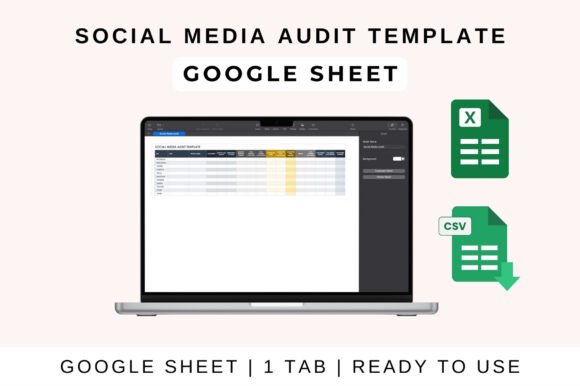
When you open a high-quality Social Media Audit Template, the first thing you should notice is its visual hierarchy. Good templates utilize a clean, sans-serif typeface for data entry to ensure maximum readability, while using bolder display fonts for headers to guide your eye through the document. The "personality" of the template should be professional yet approachable—think of it as a blend of modern typography and functional utility. It shouldn't feel cluttered. Instead, it should feel like a curated space where data becomes insight. The visual appeal lies in its ability to make complex numbers look manageable, using color coding and clear sections to separate metrics like engagement rates from follower growth.
The Anatomy of a Useful Template
A robust template usually includes distinct sections for every major platform—Facebook, Instagram, LinkedIn, TikTok, and Twitter. However, the real value is in the details. Look for templates that offer specific columns for:
- Audience Analysis: Understanding who is actually listening, not just who is following.
- Content Performance: Tracking which assets (video, carousels, static images) drive engagement.
- Competitor Benchmarks: Seeing where you stand against similar brands.
This structured approach acts like a diagnostic tool. It identifies the "underperforming areas" in your strategy, much like a designer identifies weak kerning in a logo design. By standardizing how you view your data, the template removes the guesswork, allowing you to focus on creative strategy rather than data entry headaches.
Practical Application: From Google Sheets to Excel
One of the strengths of a well-designed Social Media Audit Template is its versatility. It functions as a universal design asset that fits into your existing workflow, whether you are a dedicated Google Sheets user or an Excel loyalist.
Using the Template in Google Sheets:
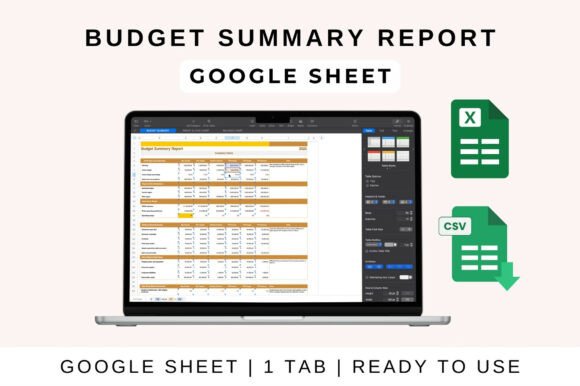
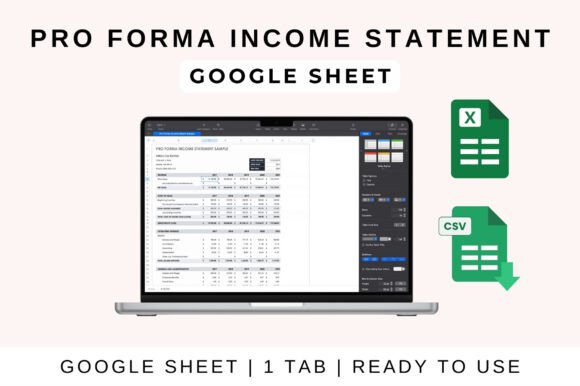
The process is seamless. Once you upload the file to your Drive, you are working in a collaborative environment. This is particularly useful for small business owners or marketing teams who need to share the sheet for real-time updates. The automated calculations within the sheet are the engine here; they instantly compute totals and profit margins as you input income and expenses. This feature transforms the spreadsheet from a static document into a dynamic financial dashboard.
Using the Template in MS Excel:
For those who prefer desktop software, the workflow is equally intuitive. After downloading the file, you simply need to enable editing to unlock the full functionality. This is often where the "commercial font" or premium font features shine, as desktop versions tend to render high-quality typography better than web-based versions. You can input your data, adjust categories, and customize formulas to fit the specific nuances of your brand identity without worrying about compatibility issues.
Optimizing Your Content Strategy
The true power of this audit lies in how it influences your content creation. Once you have populated your data, you can begin to see patterns. Perhaps your Instagram Reels are outperforming your static posts, or maybe your LinkedIn audience prefers long-form editorial design over short updates. This template helps you pivot your strategy based on evidence rather than intuition.
Consider the template as a diagnostic tool for your brand’s visual health. Just as you would test font pairings to ensure a serif header complements a sans-serif body, you must test content pairings to see what resonates. The template allows you to track these experiments. Over time, this data builds a case study of your brand’s growth, helping you refine your voice and aesthetic across all digital and print platforms.
Strategic Benefits for Brand Identity
Using a Social Media Audit Template is about more than just crunching numbers; it is about brand consistency. In the world of modern marketing, consistency is the bedrock of trust. When you regularly audit your social media, you ensure that your messaging, visual style, and engagement tactics align with your broader brand identity.
For entrepreneurs and content creators, this tool is invaluable. It forces you to take a step back and view your brand as a cohesive entity rather than a collection of disparate posts. It highlights where your "packaging design" might need a refresh or where your "web design" integration could be tighter. By identifying these gaps, you can create a more unified experience for your audience, which ultimately drives recognition and loyalty.
Final Thoughts on Implementation
Treat this template as a living document. Do not just fill it out once and forget it. Schedule monthly or quarterly reviews to update your metrics. Use the insights to inform your creative briefs, adjust your ad spend, and refine your audience targeting. Whether you are a blogger looking to grow your readership or a small business owner aiming to increase sales, the disciplined use of a Social Media Audit Template