Master Your Financial Future with the Pro Forma Income Statement Template
When we talk about building a strong brand or a sustainable business, we often jump straight to the visual assets—the logo, the color palette, the typography. But there is a critical design asset that doesn't get nearly enough attention in creative circles: your financial roadmap. Just as a sans serif font brings clarity to a website interface, a well-structured Pro Forma Income Statement Template brings clarity to your business trajectory. This tool is essentially the "modern typography" of financial planning—clean, structured, and built for readability. It is designed to help you forecast future financial performance, serving as the blueprint for how you communicate your business's potential to investors, partners, and your internal team.
The Anatomy of Clarity: Structure and Style
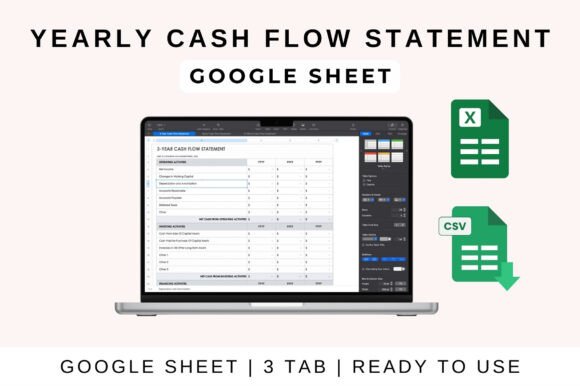
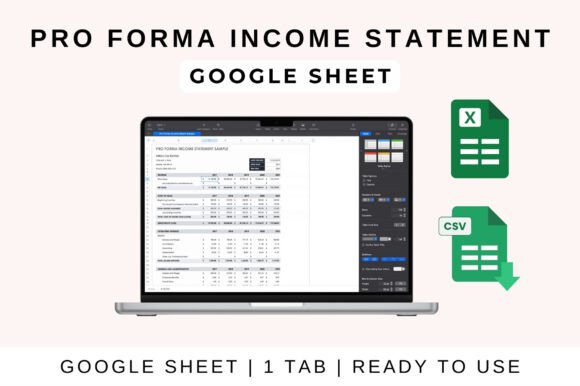
Think of this template as a masterclass in editorial design for numbers. Just as you would evaluate a premium font for its kerning and x-height, you should appreciate this template for its logical hierarchy. It features clearly defined sections for gross profit, operating income, and projected earnings. This isn't just a spreadsheet; it is a visual hierarchy system for your data. The layout is intentionally minimalist, stripping away the clutter that often makes accounting feel overwhelming. It provides a professional snapshot of expected financial results, utilizing a grid system that guides the eye from revenue inputs down to the final net income. If your brand identity is built on trust and transparency, this document reinforces that aesthetic before a single word of the report is read.
Real-World Application: From Startup to Scale
Where does a Pro Forma Income Statement Template fit into the creative workflow? It is an indispensable tool for anyone in the "business of creating." Whether you are a graphic designer pitching for a funding round, a small business owner planning a product launch, or a publisher forecasting ad revenue, this template acts as your financial compass.
- For Pitching and Funding: Investors look at your numbers the way a reader looks at a headline. They need to see the structure immediately. This template allows you to estimate revenue and costs over any period, giving stakeholders the confidence that your creative vision is grounded in financial reality.
- For Internal Strategy: Just as you test font pairings to ensure visual harmony, you use this template to balance your income against expenses. It helps you visualize your "operating margin" so you know exactly when you can afford to upgrade your software, hire a contractor, or invest in new design assets.
- For Seasonal Planning: If you run a business with seasonal peaks—like a crafter selling on Etsy or a content creator with fluctuating sponsorship deals—this tool allows you to map out the lean months against the boom times, ensuring your cash flow remains legible and manageable.
Designing Your Financial Narrative
A common mistake in business planning is treating the financial plan as an afterthought—something to be "filled in" once the fun creative work is done. However, the Pro Forma Income Statement Template encourages a shift in perspective. It asks you to treat your finances with the same care you treat your brand identity. By utilizing the built-in formulas, you are essentially using a script font that automatically connects the letters; the math flows seamlessly, reducing human error and ensuring that your story is consistent.
The template works across Google Sheets, Excel, and Numbers. This cross-platform compatibility is crucial for modern teams. It ensures that whether your collaborator is a tech-savvy developer or a traditional accountant, the "typeface" of your data remains compatible and crisp. You can easily adjust categories to fit specific project needs—perhaps you need to separate "Freelance Income" from "Passive Income," much like adjusting the weight of a serif font for emphasis.
Practical Guidance for Implementation
Adopting this template is much like choosing a new typeface for a rebrand. You need to evaluate the fit, test the functionality, and ensure it meets your licensing (or in this case, business) requirements. Here is how to integrate it effectively:
- Upload and Open: Drag the file into Google Drive or open the Excel version on your desktop. Just as you would with a web design asset, ensure the file is accessible to all key decision-makers.
- Customize the "Kerning": Don't just accept the default labels. Adjust the expense categories to reflect your actual burn rate. If you are a marketer, you might need specific line items for "Ad Spend" or "Influencer Fees." If you are a publisher, break down "Print Costs" versus "Digital Distribution."
- Test the Data: Enter your historical data first. Does the template calculate your gross profit accurately? This is your "readability test." If the numbers don't make sense visually, simplify the inputs until the financial narrative is clear.
- Collaborate: Use the sharing features to get input from your team. A visual hierarchy in your finances helps everyone understand where the money is coming from and where it is going, fostering a culture of financial literacy.
The Strategic Advantage of Financial Precision
In the crowded marketplace of graphic design, marketing, and entrepreneurship, precision is a competitive advantage. Just as a poorly chosen display font can ruin a poster, a poorly organized financial projection can sink a business pitch. The Pro Forma Income Statement Template is more than just a calculator; it is a strategic tool that bridges the gap between creative ambition and commercial viability.
By forecasting your income and expenses accurately, you gain the foresight to make bold decisions. You move from reactive spending to proactive investing. Whether you are a hobbyist turning a passion into a profession or a seasoned brand strategist managing a portfolio of clients, this template provides the structural integrity you need. It ensures that your financial documents are as polished, professional, and persuasive as your best design work.
Ultimately, great business—like great design—is about communication. This template ensures that when you speak the language of numbers, you are heard clearly, understood immediately, and trusted implicitly. It is the silent workhorse behind every successful pitch deck, every funded startup, and every profitable creative agency.