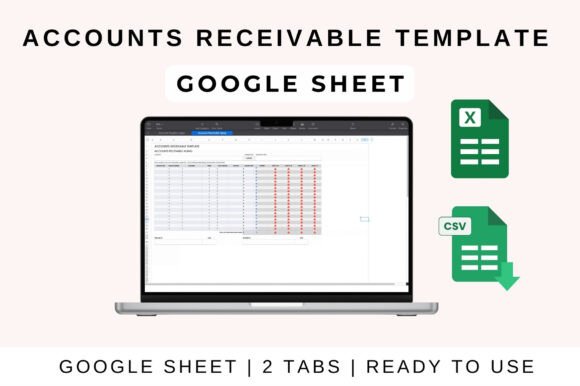
Account Receivable Template Google Sheet: Streamlining Finances
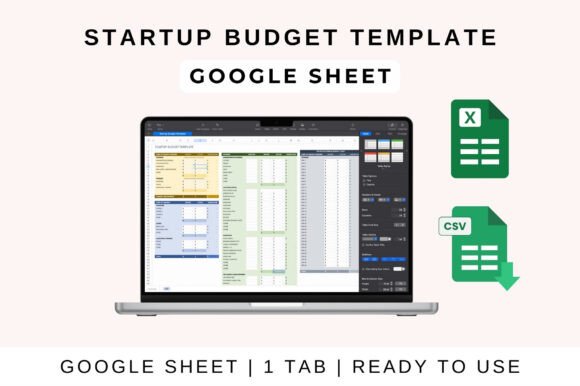
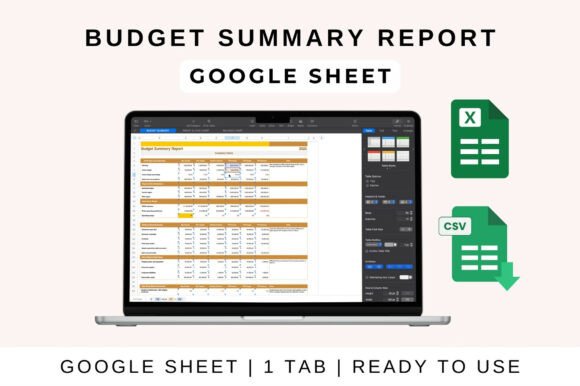
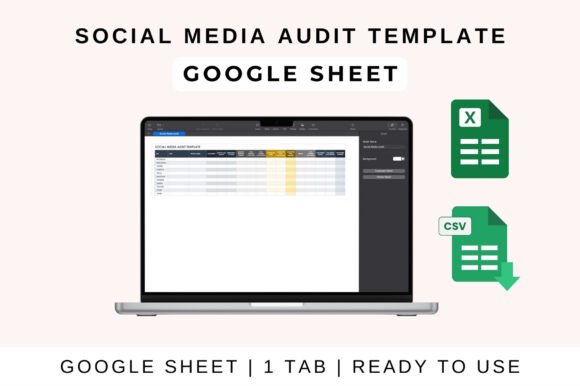
Managing outstanding invoices and customer payments can often feel like a juggling act, especially for small business owners, freelancers, and growing finance teams. The Account Receivable Template Google Sheet offers a structured, efficient solution to this common challenge. This powerful tool is designed to help you track every invoice, monitor payment statuses, and gain clear visibility into your cash flow. Available for both Google Sheets and Microsoft Excel, it simplifies financial management by automating tedious calculations, organizing due dates, and ensuring you never miss a follow-up.
A Practical Tool for Modern Business
Think of this template not as a complex financial instrument, but as a clean, organized design asset for your business operations. Its visual characteristics prioritize clarity and functionality. You won't find flashy graphics here; instead, the appeal lies in its modern typography and logical layout. The interface uses a sans serif font style, which enhances readability on screens and ensures that columns of numbers and dates remain easy to scan. This typeface choice contributes to a professional, no-nonsense brand identity for your internal processes, signaling efficiency and organization.
The template's "personality" is that of a reliable assistant. Its strength is in its customizable fields, allowing you to adapt it to your specific business needs without starting from scratch. The aging report feature is particularly valuable, providing an at-a-glance view of overdue payments. This kind of data visualization is crucial for making informed decisions about collections and cash flow management. By automating calculations for outstanding balances, it eliminates manual errors and saves significant time, allowing you to focus on creative work or strategic growth.
Where This Template Shines: Applications and Benefits
The true value of the Account Receivable Template Google Sheet is realized across various business contexts. For a freelancer or creative professional, it serves as the financial backbone of client projects, seamlessly integrating with your project management workflow. In a small business setting, it becomes a central hub for the finance team or owner, providing a shared, real-time view of receivables. Its compatibility with Google Sheets means it supports real-time collaboration—perfect for teams that need to update and review data simultaneously, much like collaborating on social media graphics or editorial design projects.
Beyond basic tracking, the template influences key aspects of your business. It enhances visual hierarchy in your financial data, ensuring the most critical information—like overdue invoices—is highlighted. This supports better brand perception with clients, as timely and professional invoicing reflects on your operational competence. Consistency in using such a tool builds recognition within your team and fosters a culture of financial accountability. For those in digital or print publishing, where cash flow from advertisers or subscribers is vital, this template provides the structure needed to manage that revenue stream effectively.
Implementing and Customizing for Your Workflow
Getting started is straightforward. For Google Sheets, you simply upload the file to Google Drive, open it, and begin entering your data under the relevant categories. The automated calculations will handle the rest, updating totals, profit, and loss figures dynamically. You can then customize as needed—adjust categories, tweak formulas, or modify the visual presentation to align with your internal brand identity. Sharing the sheet with your team or accountant is just a few clicks away, enabling seamless collaboration.
If you prefer desktop software, the Microsoft Excel version follows a similar process. Download the file, enable editing, and start inputting your information. The principles remain the same: the template provides the framework, and you bring the data. This flexibility makes it a versatile piece of design asset for your financial toolkit. When evaluating its fit, consider how its structured approach to data can complement your other design assets and systems. Just as you would test font pairings in a logo design or packaging design, you should test this template's flow with a sample set of invoices to ensure it meets your reporting needs.
While it's not a premium font or a creative font for visual projects, the Account Receivable Template Google Sheet is a commercial font of sorts for your business operations—a display font for your financial data. Its success lies in its ability to present complex information with the clarity of a well-set serif font in a book, yet with the straightforward efficiency of a script font in a personal note. By adopting it, you're not just organizing numbers; you're implementing a system that promotes professionalism, improves audience engagement (with clients and team members), and ultimately strengthens the financial consistency of your enterprise. It’s a practical step toward more disciplined and insightful financial management.